Empowering Lives: Navigating Cancer Care with Oncology Insights and Patient Support
Navigating the world of oncology can feel like sailing through uncharted waters. For many, a cancer diagnosis is a moment that reshapes everything—goals, dreams, and even day-to-day routines. But what if the journey through cancer care didn’t have to be so daunting? What if patients, equipped with the right knowledge and support, could become the empowered captains of their own ships? In this blog, we explore the secrets of oncology, diving deep into patient education, empowerment, and the wealth of resources available to those facing malignancy—from cancer prevention to survivorship.
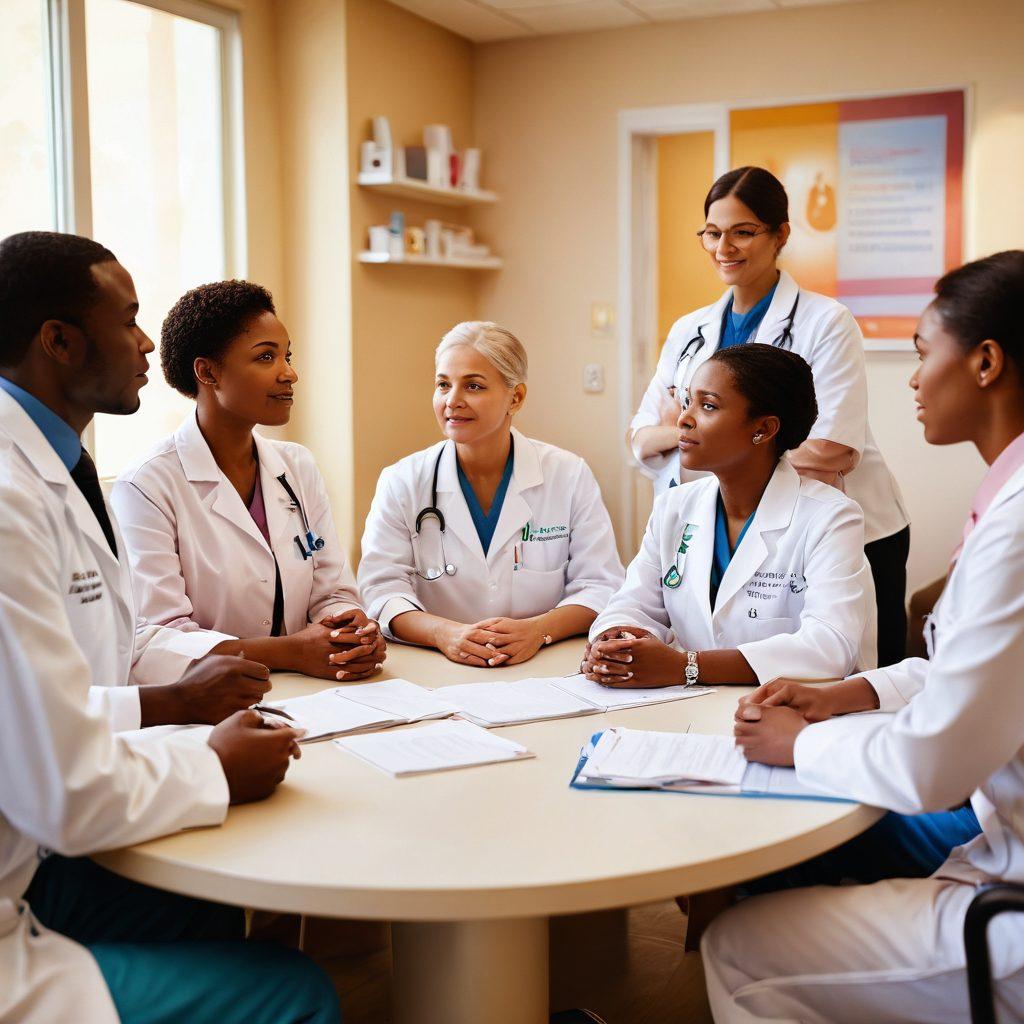
Patient education is the cornerstone of effective cancer care. Imagine stepping into a bright, welcoming room, holding pamphlets on therapies and treatment options—radiation therapy, immunotherapy, chemotherapy, and more. These are the tools that can become part of living with cancer. Yet, knowledge is only powerful when applied. By participating in clinical trials or understanding the nuances of tumor biology, patients can gain insights into their conditions. How do you want to approach your health? Will you be a passive observer or an active participant in your journey?
Empowerment comes hand-in-hand with knowledge. When patients grasp the details of their diagnosis—whether it’s carcinoma or another form of malignancy—they can make informed decisions that can lead to better outcomes. The importance of lifestyle medicine, including mindfulness and nutrition, cannot be overstated. Consider this: what does thriving look like to you? Is it simply achieving remission, or is it about enhancing your quality of life, engaging in support groups, and actively participating in your healthcare decisions?
Support groups and the cancer community play a vital role in bolstering emotional support. They act as a bridge connecting individuals who understand the unique struggles of living with cancer. Advocacy gives patients a platform to share their stories, challenges, and triumphs. When we come together, we create a network of strength. As one survivor eloquently put it, 'Alone we can do so little; together we can do so much.' By demystifying cancer statistics and sharing personal narratives, we foster hope and camaraderie on the cancer journey.
Finally, embracing a holistic health approach emphasizes that cancer care is not just about therapeutics or medication. It's about treating the whole person—mind, body, and spirit. The diverse avenues available such as alternative therapies and palliative care can offer relief, especially during difficult times. The journey through cancer can teach us so much about resilience, gratitude, and the power of community. Are you ready to unlock the secrets of oncology and elevate your well-being? The keys to empowerment lie within reach, waiting to propel you toward a fulfilling journey of wellness and strength.
A Holistic Approach to Cancer Care: Nurturing Well-Being and Survivorship
When faced with the daunting journey of cancer, the focus often shifts to fierce treatments like chemotherapy and radiation therapy. However, it's crucial that we remember a vital truth: cancer care extends far beyond just the malignancy itself. A holistic approach to cancer care is not merely about battling tumors but nurturing the entire spectrum of well-being for the patient. This means managing symptoms, addressing emotional health, engaging in patient education, and fostering a supportive community that empowers survivors in their quest for quality of life.
Imagine walking alongside someone diagnosed with carcinoma. It's not just about handing them pamphlets on immunotherapy or discussing the latest clinical trials; it's about creating a safe space where they can talk, cry, and hope. Support groups emerge as radiant beacons of hope, providing platforms for sharing stories and strategies. Here, individuals can reflect on their experiences, find comfort in shared stories, and learn about self-advocacy. After all, how often do we underestimate the power of a sympathetic ear and a warm hug during tough times?
The realm of cancer care has evolved tremendously, thanks to ongoing medical research and advancements in therapeutics. Treatments like personalized medicine and alternative therapies offer new avenues for managing symptoms and improving survivorship outcomes. Coupled with lifestyle medicine approaches that emphasize mindfulness, nutrition, and regular physical activity, the equation for living with cancer becomes a multifaceted one. How can we better pace ourselves in this marathon? Simply put, by nurturing what makes us human amid the struggle, from meal prepping to participating in yoga sessions designed for cancer survivors.
Early detection often plays a key role in cancer prevention, with screening and genetic testing serving as proactive measures in the healthcare journey. But what happens when we flip the narrative back to survivorship? It’s about celebrating those vital months and years of remission. Survivor stories empower others facing similar battles, and as they share their journeys, they inspire hope and courage in a world where statistics can often overshadow the potential for healing. Consider this: Isn’t it inspirational to learn about those who have successfully navigated the bumps in their diagnosis and treatment?
In the grand tapestry of cancer care, we find threads of emotional support woven alongside symptom management, advocacy, and follow-up care. Being part of a cancer community means understanding that you're never truly alone. By embracing holistic health principles, cancer patients can conquer challenges with resilience and grace, paving the way for brighter tomorrows. The strength lies not just in surviving cancer, but in becoming a beacon of hope for others. So, how can you contribute to this vast narrative of empowerment? Perhaps it's as simple as engaging more deeply in patient support initiatives or advocating for better patient resources. The road ahead is one of collaboration and compassion, and we all have a role to play.
Navigating the Journey: Essential Resources and Support for Cancer Patients
Embarking on the journey through cancer care can feel like navigating a labyrinth. With every twist and turn, the path often seems overwhelming. But here’s a beacon of hope: with the right resources and support, anyone diagnosed with cancer can find their way. Whether it's understanding the complex world of oncology, grasping the essentials of patient education, or connecting with a community for emotional support, navigating this journey is not a solitary endeavor. The essence of empowerment lies within each resource and connection, culminating in a holistic approach to well-being and survivorship. But, how exactly can one begin to uncover these essential resources amid the uncertainty?
The journey through a cancer diagnosis starts well before treatments like chemotherapy or radiation therapy. Early detection through recommended screenings can make all the difference, allowing for timely intervention at a stage when malignancies such as carcinoma have not advanced far. Having awareness about cancer statistics and engaging in discussions about genetic testing can empower patients by equipping them with knowledge on potential risks and their options. It’s a call to action: staying informed and proactive in monitoring one's health can lead to impactful choices. So, what’s your plan for early detection?
As patients navigate their unique landscapes, the importance of support groups cannot be overstated. Finding solace among others who share the same journey can alleviate feelings of isolation. These groups offer a safe space to reflect on challenges, discuss symptom management, and even explore alternative therapies and lifestyle medicine practices that align with individual values. Imagine being in a circle where everyone understands that “living with cancer” transcends the clinical jargon. How powerful would it be to share coping strategies, mindfulness techniques, and tips on nutrition?
Championing one's health goes beyond simply focusing on treatment. Resources centered on palliative care and therapeutics can aid in enhancing quality of life. Developing a nuanced understanding of options, such as immunotherapy or innovative clinical trials, remains essential as treatments for various tumors evolve. It’s vital to foster advocacy for both oneself and the cancer community. Empowerment is rooted in knowing available support, and with a compassionate healthcare team that prioritizes communication, choices can be tailored to individual needs. What steps are you taking to advocate for your well-being, and how might these choices impact your journey?
Lastly, the journey does not end with remission; follow-up care and continued engagement in the cancer community play pivotal roles in survivorship. This ongoing support fosters resilience and helps distill a sense of purpose that was often lost amidst challenges. By aligning with health blogs, leveraging medical research, and participating in educational workshops, patients can remain connected to advancements in cancer prevention strategies. Ultimately, surviving cancer isn’t merely about defeating a tumor; it’s about thriving and embodying empowerment post-diagnosis. What tools and insights will you embrace as you craft your unique journey toward well-being?